

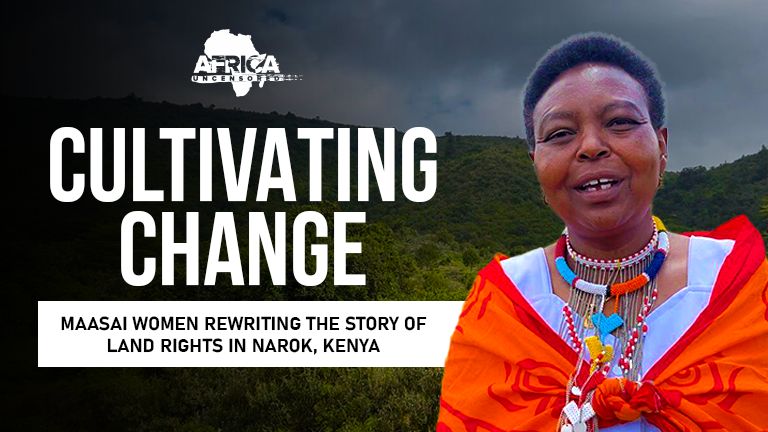
By Nancy Oseur
Loita’s rolling green hills and untouched forests create the image of a community living in harmony with nature. Beneath this beauty, however, lies a long struggle that has kept women as caretakers of land they could neither own nor control.
Today, that reality is beginning to change. In Entesikira Morijo, women are challenging generations of tradition and demanding a voice in land ownership, inheritance, and community leadership. In a place where land defines identity, power, and survival, their fight is reshaping the future of Loita.
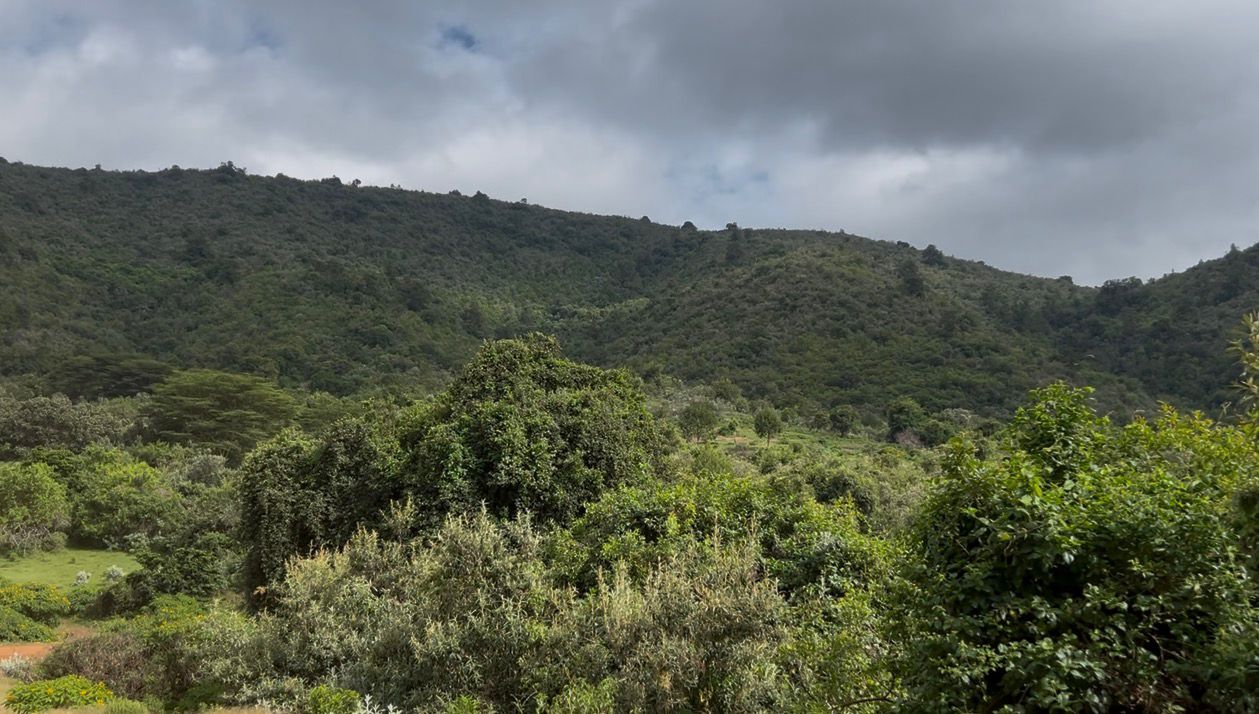
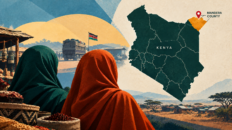
At the heart of this beauty lies the sacred Naimina Enkiyio Forest translated as The Forest of the Lost Child. Deeply rooted in Maasai culture and history, the forest covers an estimated area of 330 square kilometres (about 33,000 hectares). Also known as Loita Forest, it is located in Narok County, Kenya, roughly 50 kilometres east of the Maasai Mara National Reserve. It stretches across Loita Sub-County in southern Kenya, lying between the Maasai Mara and the Nguruman-Magadi Escarpment, extending near the Tanzanian border . It remains one of the last indigenous forests in Kenya governed entirely by a local community without direct state intervention. For generations, Loita Forest has stood not only as a symbol of conservation but also as a source of life, spirituality, and identity for the Maasai people.
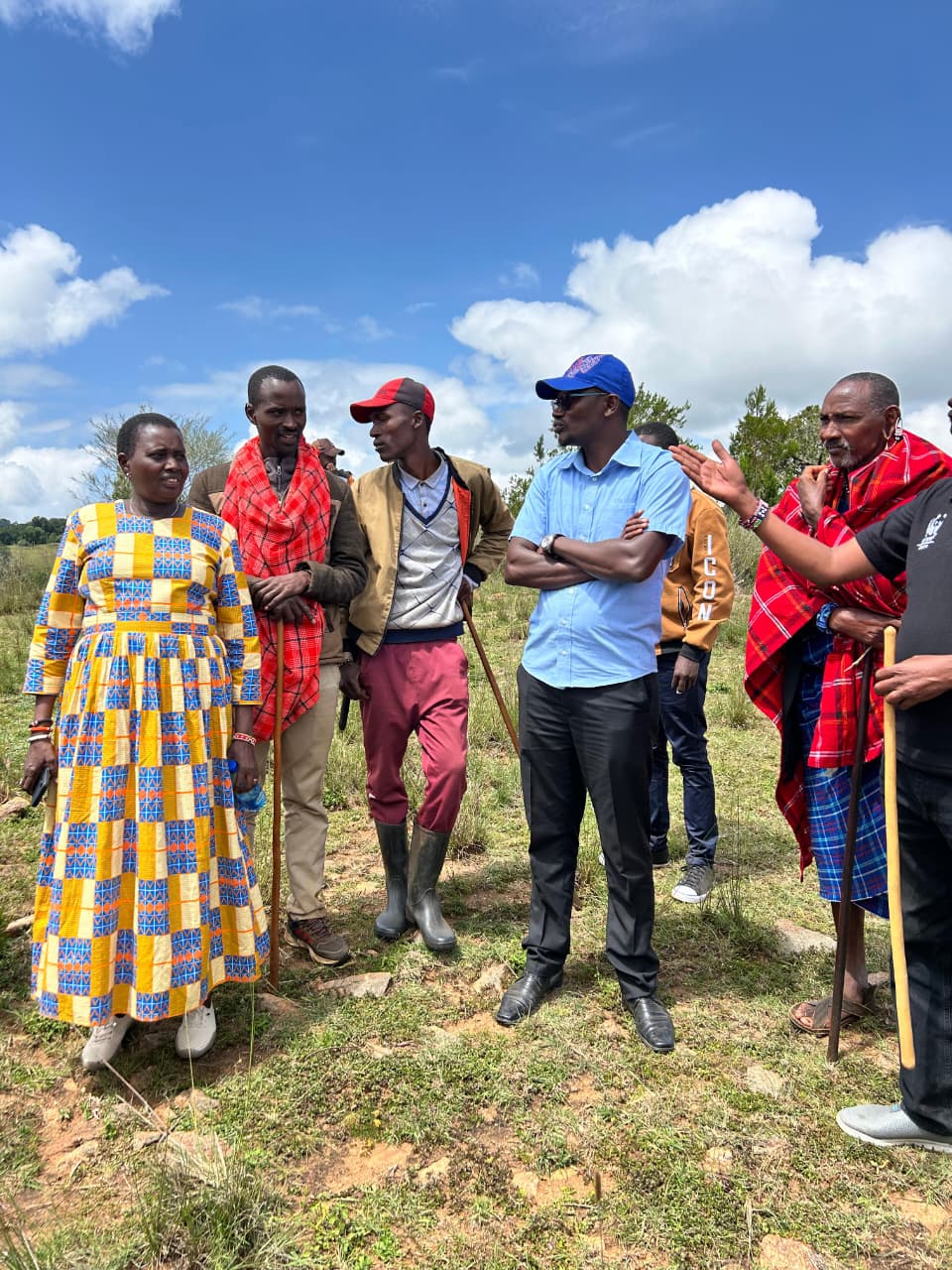
For centuries, land ownership within the patriarchal Maasai community was reserved strictly for men, while women were denied the right to own or inherit land. Married women relied entirely on their husbands for access to land , whether for cultivation, grazing, or building their homes. Despite playing a central role in caring for the land, raising families, and preserving the forest’s resources, women had little control over property and were often required to seek permission from their husbands for even the smallest piece of land to farm. They fetched water from its streams, collected firewood for their homes, gathered medicinal herbs to heal their children, and preserved the cultural practices tied to the forest. Their connection to Loita Forest has always been intimate and indispensable.
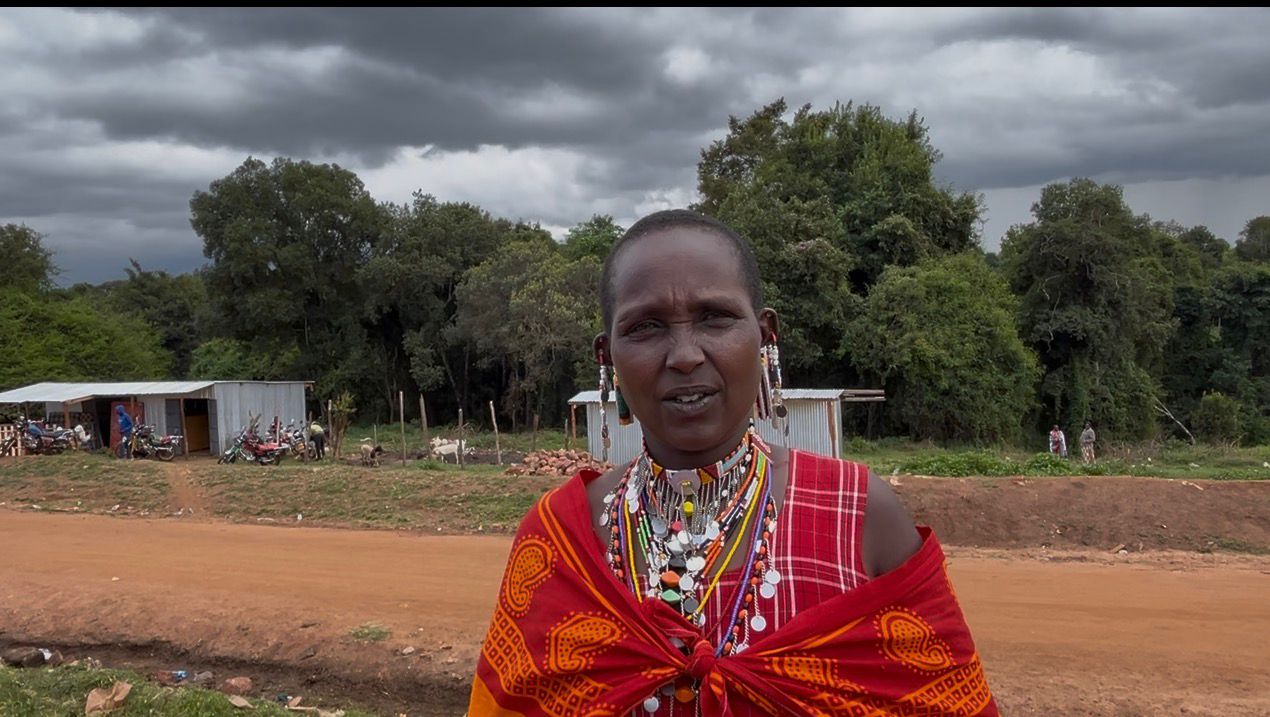
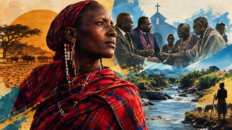
We meet Noorkisaruni Sulul, draped in vibrant Maasai shukas that reflect her pride in traditional dressing. She carries herself with quiet confidence and grace . Layers of colourful beadwork rest around her neck and wrist, each carrying cultural significance and memories of important moments in her life. Some of the beads, she explains with a smile, were gifted to her during her son’s circumcision ceremonies, rites of passage where herbs from the sacred Loita Forest were prepared as part of the traditional rituals guiding boys into manhood. Through her attire and stories, Noorkisaruni reflects the enduring connection between Maasai women, and the forest that has sustained generations.
“Morijo was the very first hospital in Entesikira Loita. I used herbs from the forest to treat my children during emergencies because the health centres were far away. Even the bricks for building my house came from this forest,” says Noorkisaruni.
Beyond survival, the forest has also played a central role in Maasai rites of passage. Women speak proudly of preparing herbs and traditional meals during ceremonies that guide boys into manhood. These rituals, passed from one generation to another, remain deeply embedded in the identity of the Loita community.
“I have seen all my sons graduate into adulthood here in Loita. During moranism, we prepared herbs from this forest, circumcised them here, and later blessed them during Eunoto. This place is part of our life and our history,” Noorkisaruni.
These testimonies reveal the profound bond women share with Loita Forest. Yet despite their lifelong contribution to preserving and nurturing the land, women historically had no recognised right to own it. For many, this exclusion shaped daily life.
“Life was difficult before. As a woman, I had no recognised right to own land and depended entirely on my husband. Whenever I needed land for cultivation, I had to ask him for permission because ownership was reserved for men. Even though we worked on the land and cared for it, we had no claim to it,” says Noorkisaruni.
Today, however, change is slowly taking root in Loita.
Through ongoing land demarcation processes, women in Entesikira have begun receiving land ownership rights for the very first time, a historic shift many describe as transformative.
Among those welcoming this change is respected elder Senteu Ole Kuka of the Ilkitoip age-set. Having grown up within Loita Forest, he vividly remembers the cultural ceremonies that shaped his journey into manhood.
“When I was going through Eunoto, we would collect herbs from the forest and mix them with meat for flavour,” he recalls with a smile. “The herbs were meant to make us strong and help us endure the transition into manhood, a stage of life I still hold dearly.”
Dressed in traditional Maasai regalia, Senteu speaks proudly about preserving culture and customs. Yet he also believes culture must evolve to uplift the community.
As an elder, Senteu says he made the personal decision to allocate land to his wife, a step he describes as necessary in empowering women within the community. He explains that many Loita elders began recognising that giving women ownership and control over land would not weaken culture but instead strengthen families, improve livelihoods and encourage shared responsibility in conserving the forest.
“My age-set is proud of our customs and beliefs, and that is something I value deeply. But we are also proud to be among the first in the Maasai community to allow women to own land. It was a bold step. We wanted equality because empowering women strengthens households and helps conserve our Loita Forest,” says Senteu Ole Kuka.
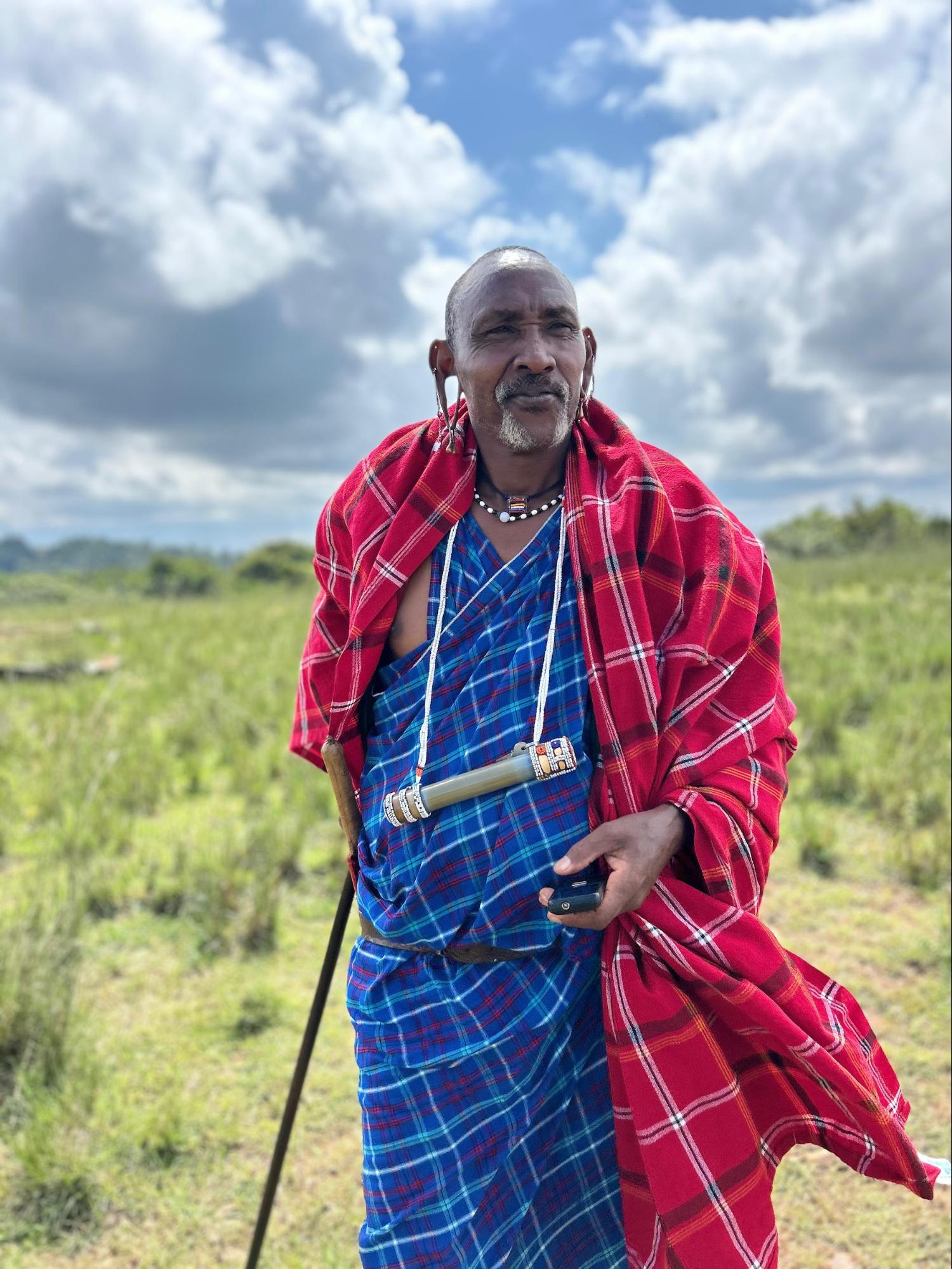
Following the growing support from the community elders, many women in Loita now speak of land ownership as more than just access to property but as a recognition of their value within society. For Noorkisaruni, the change has brought a sense of dignity, visibility and equality that women had long been denied.
“ Today we feel seen and respected because we can also own land like men. It has empowered us to make decisions, support families, and feel that our voices matter within the community. Before everything depended on men, but now women are slowly becoming equal partners in development”, says Noorkisaruni.
The shift has not only transformed social attitudes but also opened economic opportunities for women across Entesikira.
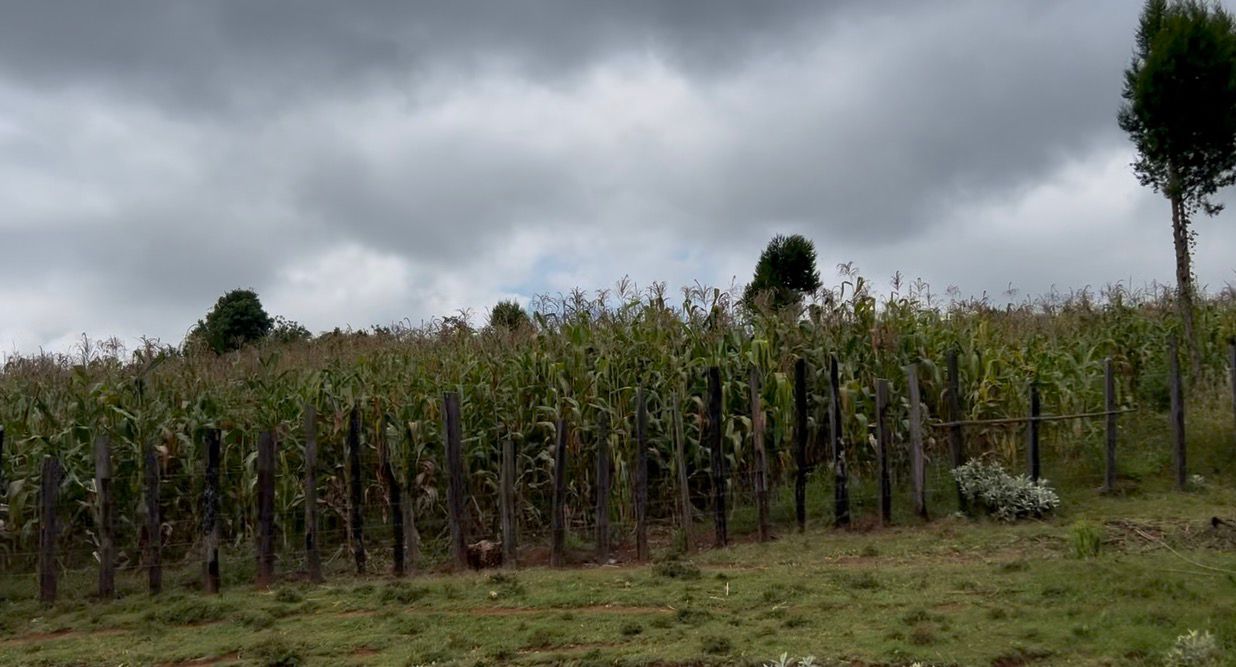
We walk into Prisca Simpano’s farm, surrounded by a calm ambiance of green maize stalks swaying gently with the Loita breeze, a scene that reflects both hard work and transformation. In a community long known for pastoralism, Prisca’s thriving cultivation tells a different story, one of changing livelihoods and growing economic independence among women. Before land subdivision, Prisca says she never engaged in cultivation because women had no direct access to land and depended entirely on men for permission to farm.
“When I got married, the land had not yet been subdivided. I always had to consult on where I could cultivate crops. But things changed with time, and now I have land where I can grow maize and beans for my business,” she explains.
Like many families in Loita, pastoralism remained the primary way of life. But today standing proudly in her farm, she says owning land has allowed her to venture into maize and beans farming, turning agriculture into a source of income and stability for her family.
“As you can see, these are my calves. I joined a table banking group where we save ksh 5000 monthly from the produce we harvest from our land and use it to buy livestock. This has helped my children access quality education and meet their basic needs without struggle,” she says.
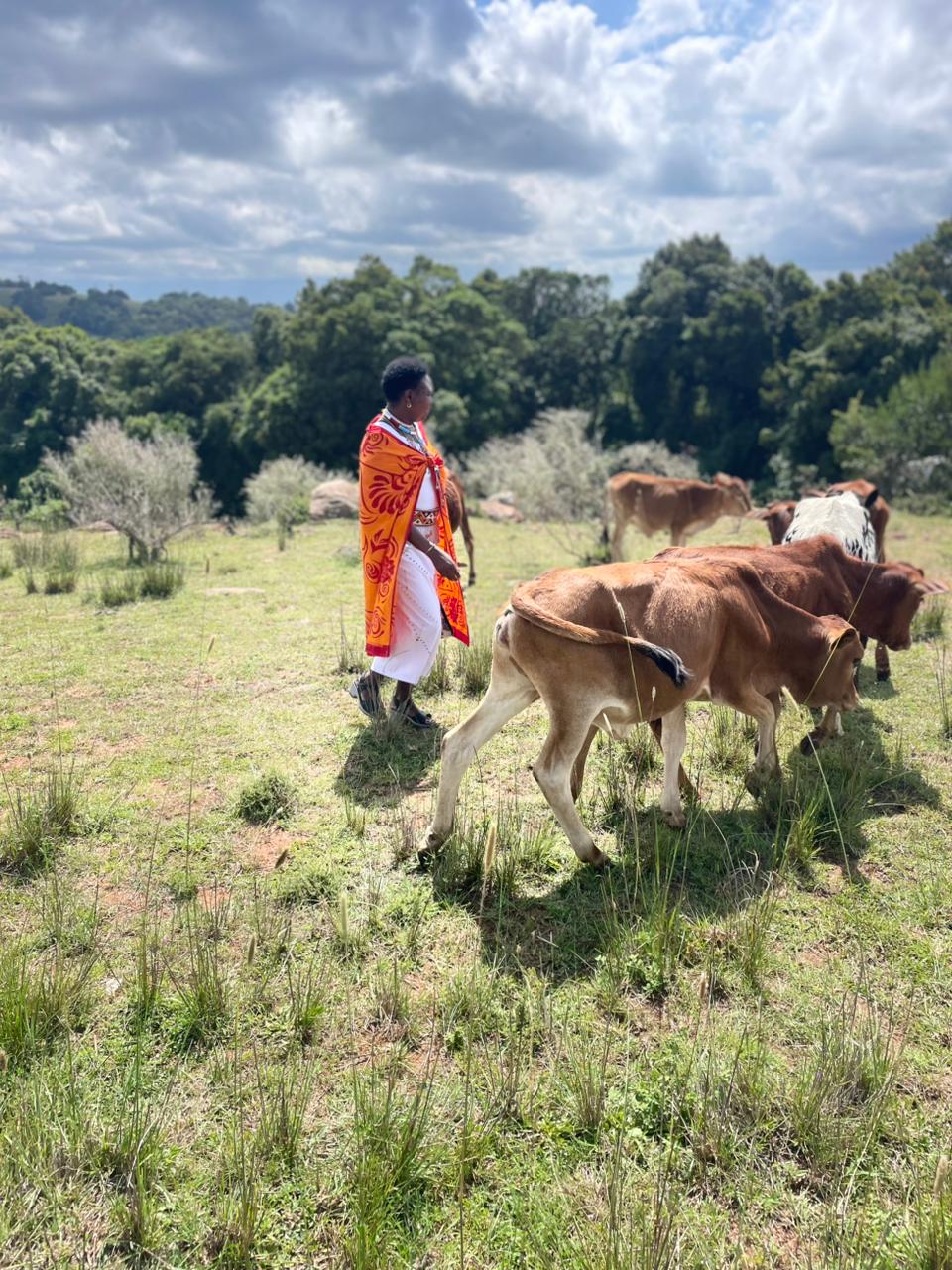
As land ownership continues to reshape lives in Entesikira, County Government officers say the shift is also transforming how communities utilise land and approach economic development. Working closely with residents in Loita, agricultural officers from Narok County have been encouraging families to adopt mixed farming, crop rotation and farmer-managed natural regeneration as sustainable ways of utilising the newly demarcated land.
According to County officials, the inclusion of women in land ownership has significantly strengthened economic participation within households and across the wider community.
“For a long time, women in this community were excluded from land ownership. Widows, in particular, suffered greatly because they had no recognised rights to land after losing their husbands, leaving them economically vulnerable and dependent,” said Dominic Turere, an officer with the Narok County Government department of energy, water, natural resources and climate change.
“But things are gradually changing. Women now have recognised ownership rights, and this is giving them security, dignity and the confidence to plan for their future.”
Beyond economic empowerment he believes the shift is helping communities become more sustainable by encouraging better land utilisation, conservation practices and inclusive decision making within households .
Despite progress in policy and advocacy, statistics continue to show significant disparities in women’s land ownership nationwide. According to research by the Kenya Institute for Public Policy Research and Analysis (KIPPRA), 61.3 percent of women aged between 15 and 49 did not own land in 2014. By 2022, the percentage of women without ownership of agricultural land had risen to 75 percent, while 93.3 percent did not own non-agricultural land.
Data from the 2022 Kenya Demographic and Health Survey (KDHS) further shows that among women who own land, widows account for the largest proportion at 48.6 percent, followed by married women at 39.4 percent and divorced or separated women at 10.7 percent.
Kenya’s Constitution of 2010 guarantees women equal treatment under the law and prohibits gender-based discrimination, including in matters related to land and property ownership. The Matrimonial Property Act of 2013 further reinforces that married women and men have equal property rights during marriage and at its dissolution.
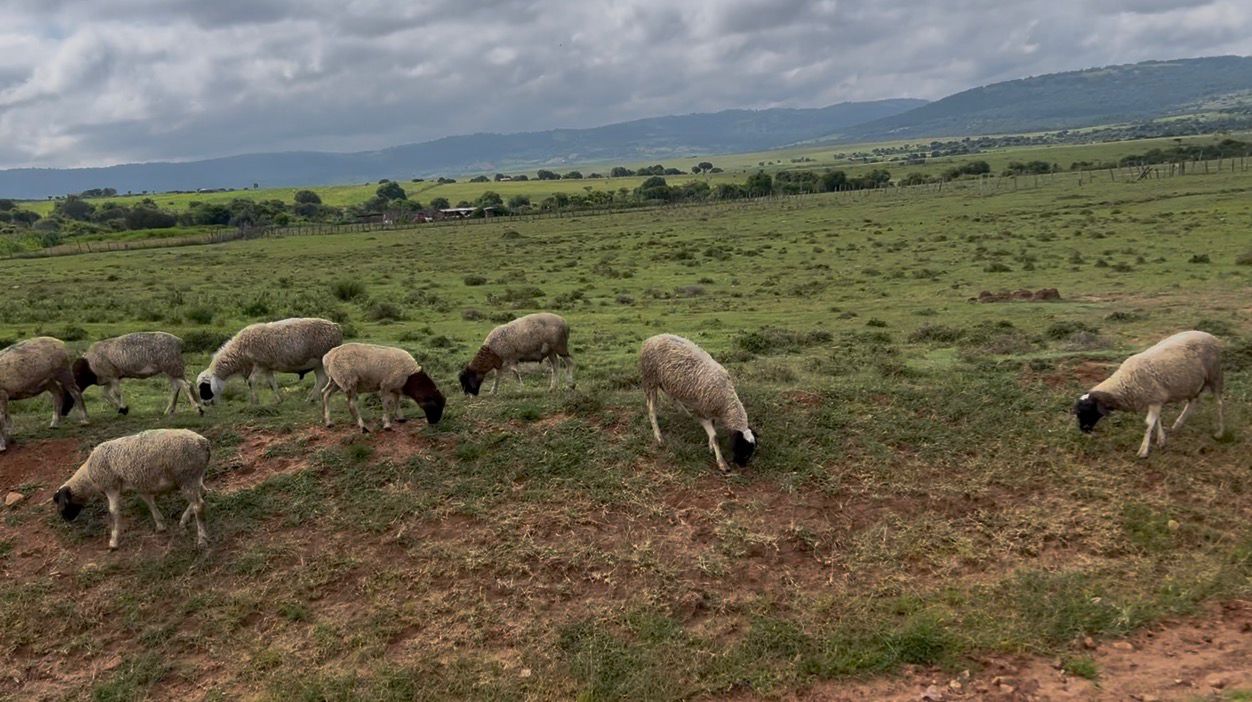
In Entesikira, the voices of women like Noorkisaruni and Prisca, alongside elders such as Senteu Ole Kuka and County agricultural officers, reflect a community navigating a quiet but profound transformation. From pastoralism to cultivation, and from exclusion to land ownership, Loita is steadily redefining its relationship with land, livelihood and tradition.
For generations, women protected the land without having a legal claim to it. Today, that reality is beginning to change. As more Maasai women gain ownership rights, they are not only securing economic independence for their families but also reshaping cultural norms that once excluded them from decision-making.
In the hills of Loita, the shift is visible in newly cultivated farms, changing household dynamics and the growing confidence of women who now see land not just as inheritance, but as opportunity. What is unfolding in Entesikira is more than a transition in land use. It is the emergence of a new social landscape where tradition, conservation and women’s empowerment are learning to coexist.
This story was developed as part of strengthening evidence-based reporting and accountability on biodiversity, climate and environmental governance processes for journalists. A project implemented by The Economic and Social Rights Centre-HakiJamii with support from World Wide Fund for Nature (WWF-Kenya).


Add comment